
Even though Taiwan is ranked the 12th most educated country in the world, where a child grows up can determine how far their education can take them. Education is supposed to give every student a chance to succeed, but in Taiwan, the system often makes it harder for some kids to get ahead.
Taiwan’s education system reinforces inequality and widens the gap between the rich and the poor. Urban areas have most of the resources, while rural areas struggle to get the support they need. Education should give every child a fair chance, but right now, we are leaving many kids behind.
The causes of educational disparity
Not all students have the same opportunities in school. Problems like not enough teachers, limited resources, and what money can buy all contribute to differences in education.
1. Differences between urban and rural schools
Where students live affects their education. The urban-rural education gap refers to the difference in educational quality, resources, and opportunities between cities and rural areas.
Students in big cities like Taipei or Kaohsiung have access to modern facilities, highly-trained teachers, and after-school programs. Meanwhile, students in rural towns might lack basic equipment, teachers, or even access to the internet.
In rural areas like Hualien, it’s hard to find and keep teachers. Teachers prefer to work in cities, where the pay, facilities, and living conditions are better. Rural teachers often have to “wear many hats” by teaching and taking on other duties like administrative work.
For example, a science teacher at Hohsing Elementary School in Miaoli had to handle everything from writing grant proposals to purchasing equipment and preparing lessons on his own because the school lacked staff and funding. Many teachers are overworked like this due to non-teaching duties, leaving them with less time to help students who are struggling. This pressure leads teachers to look for city jobs, causing frequent turnover and instability for students.
Limited resources make the gap even wider. In Taiwan, urban schools usually have more up-to-date facilities such as science labs, libraries, and computer rooms. Rural schools, on the other hand, can lack even basic digital tools like projectors, stable internet, or computers for students. In remote areas, more than 15 percent of children don’t have internet access at home, and about 23 percent don’t own a computer. Frequent internet problems made a digital tutoring program in rural schools unreliable, so students garnered barely any benefit from it.
This inequality limits what rural students can learn. Without reliable digital tools or internet access, students miss out on news and up-to-date information. As a result, they see fewer perspectives. Over time, this can make it harder for rural students to prepare for higher education or careers that require awareness of international or political issues.
2. The gap between rich and poor students
In urban areas, education is competitive. Students compete for spots in top schools. Those from wealthier families have an advantage because they can afford private tutoring or cram schools. These programs offer extra practice and teach strategies to excel on exams, including university entrance tests.
The exam-focused education system in Taiwan pushes students to compete for top grades rather than focus on developing critical thinking, creativity, and communication skills. As a result, many parents have lost confidence in public schools’ one-size-fits-all approach and, wealthy parents at least, choose to send their children to private schools that emphasize strict discipline and personal guidance. In these schools, teachers maintain clear expectations while adjusting their instruction to match each student’s pace, making sure everyone gets the support they need to succeed.
Family wealth and connections also play a role in creating a bigger gap between students. Top Taiwanese academic-focused private schools like Yanping (延平), Tsai Hsing (再興), Fuxing (復興), and Wego (薇閣) only accept around 10 percent of applicants. Wealthy parents can use money or social networks to secure their child’s place in these top schools, and families are usually expected to make additional donations.
For example, in 2020, Taipei American School raised over USD$6 million. Families are willing to give because the school offers opportunities that are almost impossible to find in other schools, like varsity sports teams and international trips for programs like Model United Nations conferences in Doha.
In Taiwan, wealth and social connections are almost required for educational success, giving students from wealthy families an advantage and widening the gap between them and children from less wealthy families.
My experience volunteering in Taitung
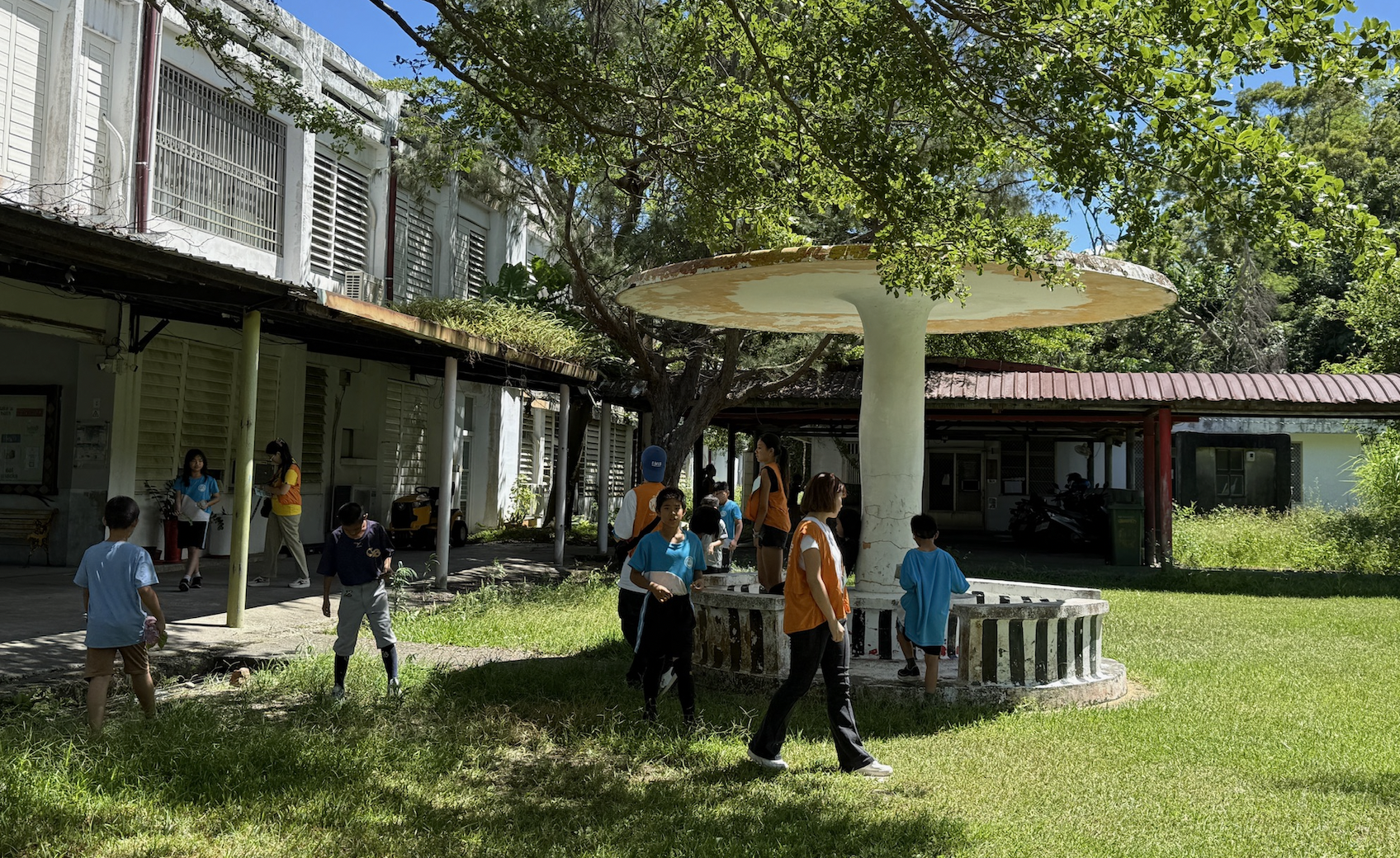
Last summer, I volunteered in Changbin Township, Taitung, one of Taiwan’s most rural regions. Many Changbin residents are fishermen and are away from home for weeks at a time. I helped at a local church that hosted a summer camp for kids who don’t have adults at home to look after them during the day.
When we visited the nearby elementary school, I noticed how different it was from schools in Taipei. Each grade only had one class of about eight students. The entire school had 10 teachers and staff, and some teachers had to teach multiple subjects while also handling administrative tasks.
When we visited, it was the last day of school, so teachers were grading work while attending the school board meeting. One teacher even served as both the math teacher and the principal.
Their classrooms had blackboards and chalk; there were no projectors or computers. The children struggled to focus during class, not because they weren’t capable, but because they didn’t have textbooks, and the teachers were overloaded with multiple subjects and administrative tasks, were often running between classes and the offices, too distracted to provide full attention.
My experience in Taitung made me see how much these children wanted to learn, even with so few resources. One day, I had the chance to teach an English class and introduce them to an AI image generator. Even though they struggled with the language and keeping up, they were curious, excited to participate, and engaged in the lesson. Seeing how excited they were about learning something new made me emotional because I was glad to give them a new experience that they would remember. It made me realize that these students need more guidance, encouragement, and activities outside of textbooks, things that are often missing in under-resourced schools.
–
Education should help every child reach their potential, but currently, the quality of education kids get in Taiwan is determined by where a student is born and the resources their family can access.
If Taiwan wants to truly be an “educated nation,” we cannot ignore all the problems under the surface of our high rankings in college graduation rates. We need to give every student the support and resources they need to succeed. Otherwise, talent and hard work won’t be enough; luck and wealth decide who gets to be successful.


0 Comments