
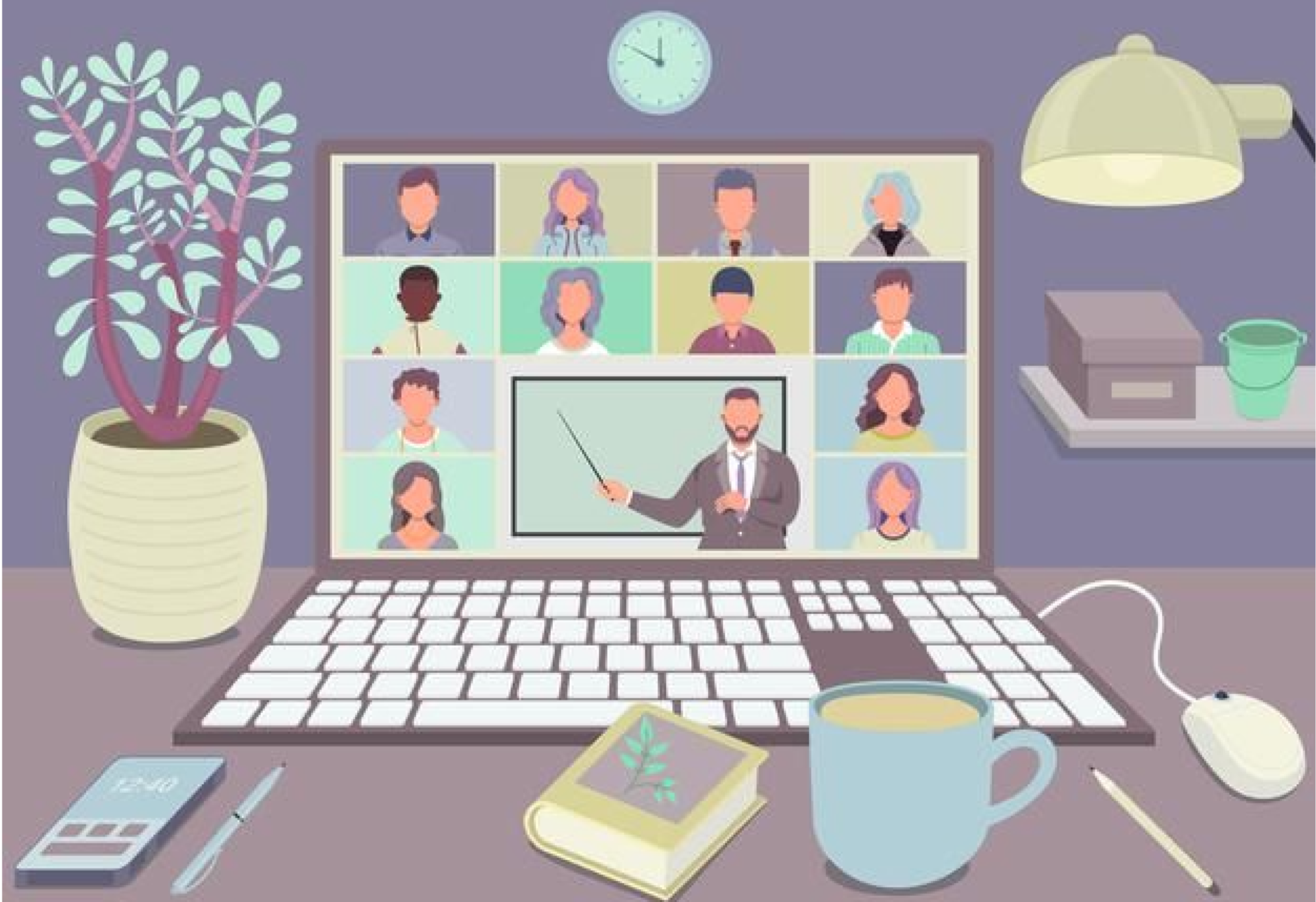
In late August, 2026, I transferred from my school here in Taiwan and started an online school based in the United States. Classmates and teachers have asked why I left when I was doing well. One teacher said I was having such a “fulfilling” teenage experience and couldn’t understand why I would want a change. It’s true — I had friends at my old school, solid grades, and I seemed happy.
However, underneath my sunny attitude, I was frustrated. The routine was grinding. I had no freedom to control my schedule. And, worst of all, I had become numb to learning. I was hating school.
Why I wanted to leave
My old school had its positives: I liked most of my classmates, there was a sense of teamwork, and social interactions were good. But my day-to-day experience was mainly negative. While I was at school, I had zero passion. Everything I did was driven by “extrinsic” factors, like competing with my classmates and fearing bad scores. There were always other classmates who wanted to know which cram schools you went to. Everyone wanted to know if I was a threat to their class ranking. It was constant stress.
Learning system
When I changed to online school, it offered a different approach than the mind-numbing learning of my old school. Instead of extrinsic factors pushing me to work, I was able to learn how to be self-driven.
My online school uses a mastery learning curriculum, meaning “students need to master specific tasks before moving on to other tasks”. Therefore, we don’t have tremendous pressure to be perfect on the first try. However, the system is not so lenient that you can try twenty times to get an A on every assignment.
Moreover, the program keeps students on track with suggested due dates while also offering the flexibility to schedule the week’s class and assignment due dates.
I still have midterms and finals that teachers closely monitor, but the stress is so much lower. My school uses AI detection systems for written assignments and has strict consequences for disobeying. If students are lazy, they will be behind on schedule, and they will have to retake the semester all over again.
A trade of freedom
My decision to leave regular school for an online program was trading a traditional learning environment for a lower pressure and more efficient one.
I can wake up later and plan my day myself instead of mindlessly bouncing from class to class like a zombie. This increase in personal time will help me grow my hobbies, like playing the guitar, reading, and photography.
Learning online means I can learn faster because I am not limited by a standard routine, and I can slow down on topics that I struggle to understand. This flexible framework helps prevent burnout because we can adjust our time as we need to.
Busting stereotypes
According to National University, online school life means a lack of day-to-day interaction with other students and teenagers. This is a common concern. So, how do I have a social life?
There are many solutions to this problem. I am still in Taiwan and can connect with old friends or friends online through weekly online calls. Even though I left my old school, I still have friends from my church or other classmates from Taipei Teen Tribune.
Furthermore, international online school programs are designed for all students to be able to meet new people around the world, including teachers, students, and professors. I, for example, have met a few classmates from Portugal and Lebanon.
Responsibility
Going to online school is like gentle practice for what being a grown-up is like. When I was at my old school, I didn’t need to manage my time so much because my counselor just set my class schedule for me.
However, online school means that I have to organize my time myself. Online school forces you to learn responsibility while also getting advice from counselors, teachers, and the school’s online system guidelines. They don’t push me into something I cannot do, but they do encourage different opportunities so I can find out what I want to learn and do in the future.
In online school, I have to be more ambitious and take more initiative. When I was still at my old school, I just finished tasks because there was a due date at school. Now I have the time and can reach out to different teachers to ask more about a certain topic if I want to. Some topics I am just more interested in. Other topics are important for preparing for college or a career. Either way, I can spend more time digging into the stuff that is important, rather than wasting time on stuff like listening to the principal talk about Confucian morality during morning assembly.
–
My main reason for switching to online school was because of how twisted my old school’s learning environment was and because I wanted the freedom to make my own decisions about my learning. Switching to online school trades the rigid and competitive framework of school in Taiwan for a flexible schedule where passion can bloom instead of being smothered. If this sounds interesting to you, I recommend looking into it.

0 Comments