
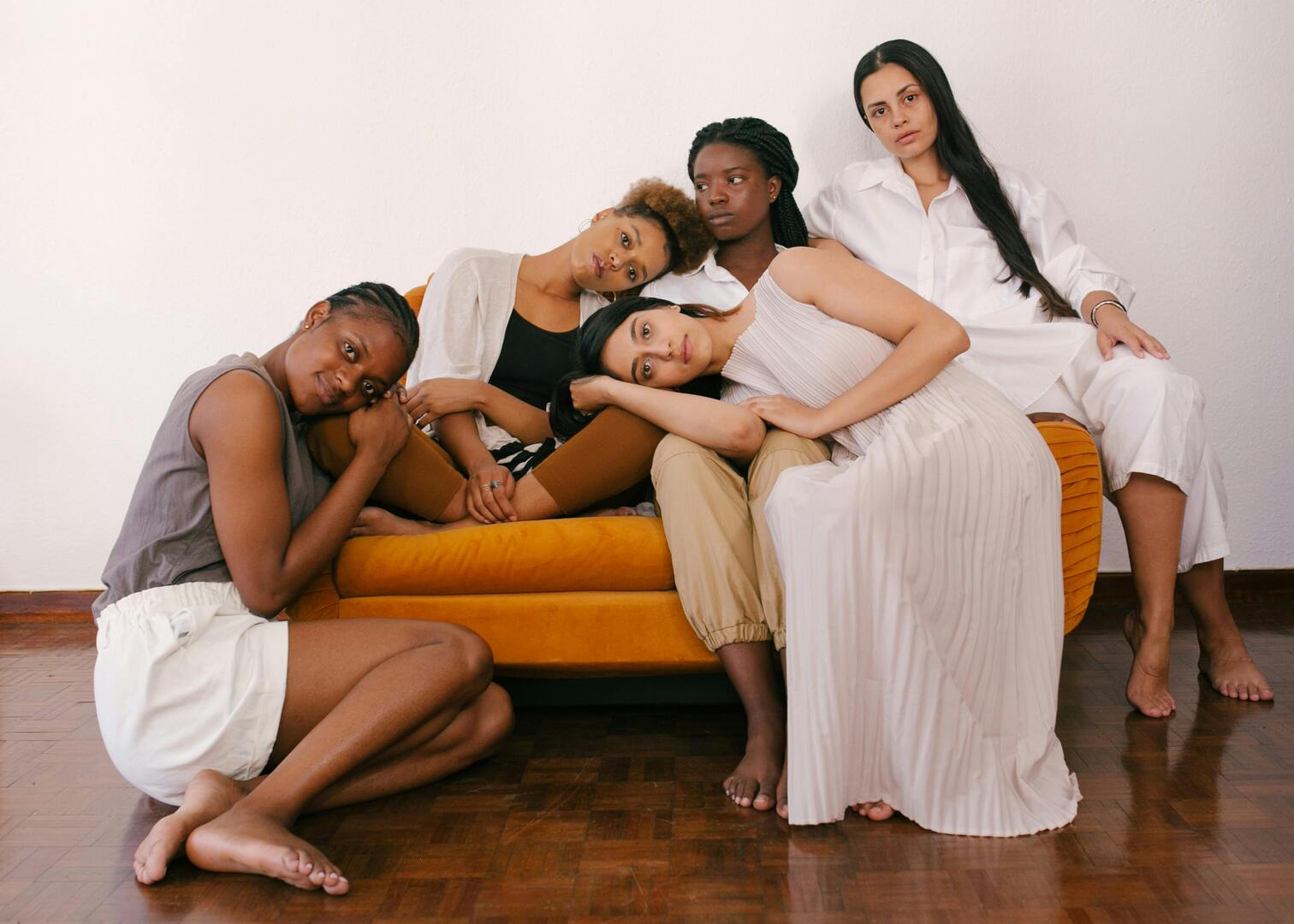
Every day, teens are bombarded with images of influencers who have perfect skin, perfect hair, and perfect bodies. These images can shape how teens see themselves, which is a problem because many of these pictures are edited. According to an Ipsos survey for Girl Guides of Canada, 59 percent of teen girls in Canada feel pressure to meet unrealistic beauty expectations. That pressure can negatively affect self-esteem and mental well-being.
We need to stop accepting one narrow beauty standard: thin bodies, straight blond hair, and light skin should not be the only definition of beauty. Social media often pushes this narrative by presenting the same kinds of faces and bodies, making it seem like that’s the only way to be attractive. But in reality, we’re all different. We all have different bodies, faces, skin tones, and hair, so we shouldn’t be judging beauty by one standard.
We don’t have to constantly chase trends or change how we look just to fit them. Beauty isn’t about keeping up with trends or copying what’s popular to fit in. It’s about valuing individuality and understanding that differences don’t need to be hidden or changed. Teens need to understand that beauty comes in many forms, and we should learn to appreciate ourselves and others more.
The problem with One-Size-Fits-All beauty
One of the most common examples of unrealistic beauty standards comes from the fashion industry. Brandy Melville is a California-inspired fast fashion brand that became well-known for its “one-size-fits-all” clothing. However, this idea is unhealthy. Most of the brand’s clothing is designed to fit only extra-small or small bodies, which excludes many people of bigger sizes.
A high school student said, “One-size-fits-all suggests something that could be very harmful to the people who don’t fit into that one-size-fits-all idea.” Clearly, limiting beauty standards can make teens feel left out or uncomfortable in their own bodies.
Psychologists have been raising awareness for years about how beauty pressure can trigger anxiety and negative body image in young people. A study in the Journal of Adolescent Health found that girls who struggle to find clothing in their size are more likely to experience body shame and lower self-esteem. When stores fail to offer size-inclusive options, it can make people feel shame about their bodies. When stores don’t offer size inclusivity, they are sending a message that only certain bodies deserve to be seen or valued.
Media and fashion often push unrealistic ideals
Social media only increases the pressure on girls. Editing apps, filters, and Photoshop can remove flaws, smooth skin, and change body shapes. Influencers and terminally online users, who make a career out of presenting themselves on social media, only post their best photos, taken from flattering angles, which causes teens to compare themselves to standards they don’t understand.
Many studies show how powerful social media is. One experiment found that women who spent time on Facebook felt worse about their appearance afterwards, especially if they already had a habit of comparing themselves to others. They became more aware of flaws in their skin, hair, and even facial expressions compared to women who were only allowed on neutral websites.
Celebrities like Kim Kardashian have been accused of using Photoshop on images after fans noticed an editing mistake in a photo. When the Instagram image was compared to a Getty Images photo, her waist, stomach, arms, chest, shoulders, and jaw all looked different. Fans called the edits misleading because they create expectations no one can naturally meet. Instead of expecting girls to adapt to these images, we should educate them about edited images and learn how to find a balance between online beauty standards and healthy self-image.
Beauty looks different around the world
Beauty standards aren’t universal. Different cultures might value different forms of beauty, proving that there is no single definition.
- In East Asia, people often view pale, porcelain skin and petite frames as the ideal because they connect with elegance. Fans often admire celebrities like IU from South Korea and Nayeon for these features.
- In Europe, fashion models like Cara Delevingne often promote beauty trends that feature sculpted cheekbones and bold lips to create a confident and powerful look.
- In Africa, clear skin and intricate hairstyles are celebrated, showing their cultures’ creativity. Celebrities like Lupita Nyong’o show how embracing natural hair and skin tones can be a form of cultural pride.
- In the Middle East, dramatic eyes and stylish, elegant clothing are seen as pretty for emphasizing a person’s beauty and social status while also focusing on traditional fashion.
- In North America, people admire curves, confidence, and independence because these qualities show personality. Celebrities like Beyoncé and Demi Lovato promote body positivity by encouraging self-love and embracing their natural bodies.
Standards change depending on where you are and what a culture values. Since beauty standards vary around the world, teenagers don’t need to feel pressured to fit into a single idea of what’s pretty.
The prettiest thing you can be is yourself
What makes a girl stand out is her personality, style, and even her small flaws. Trying to copy trends or look like everyone else means you get lost in the crowd.
A famous “Miss Korea” meme showed several contestants who looked almost identical, sparking debates about plastic surgery, photo editing, and strict societal expectations. The image drew attention to concerns about whether social expectations push people to look alike rather than celebrate individuality.
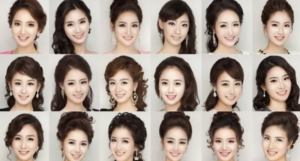
This discussion also reflects a broader trend in South Korean society, where appearance often plays an important role in both social and professional life. According to The Gazelle, historical beliefs suggested that physical beauty was associated with moral character and social status. Women who were considered beautiful were expected to be faithful wives and good mothers, and fair skin was seen as a sign of higher social status because it meant a person did not have to do manual labor.
These long-standing beliefs help explain why many people feel pressure to meet the expectations; however, being different can allow individuals to express their identity rather than follow social norms. In the end, appearance is not the only factor that shapes how people perceive you.
Confidence plays a big role, too. Someone might have the “perfect” look, but without confidence, it may not leave a strong impression. Confidence often makes a person more approachable and genuine. Confidence also allows people to express their unique style and personality, showing that standing out can be just as attractive as fitting in.
Theresa Boedeker, a writer and teacher who has published work in over 70 outlets and focuses on self-acceptance and body image, explains that we also need to stop feeling like we have to apologize for our appearance. When we apologize for how we look, it shows a lack of confidence. Every time we say sorry for our bodies, our faces, or the way we dress, we focus on our flaws instead of our strengths. This habit can make us self-conscious because it treats normal differences as mistakes.
–
You don’t need to compare yourself to people online or try to fit into a narrow idea of beauty. True beauty comes from owning your style and personality and being independent.

0 Comments