
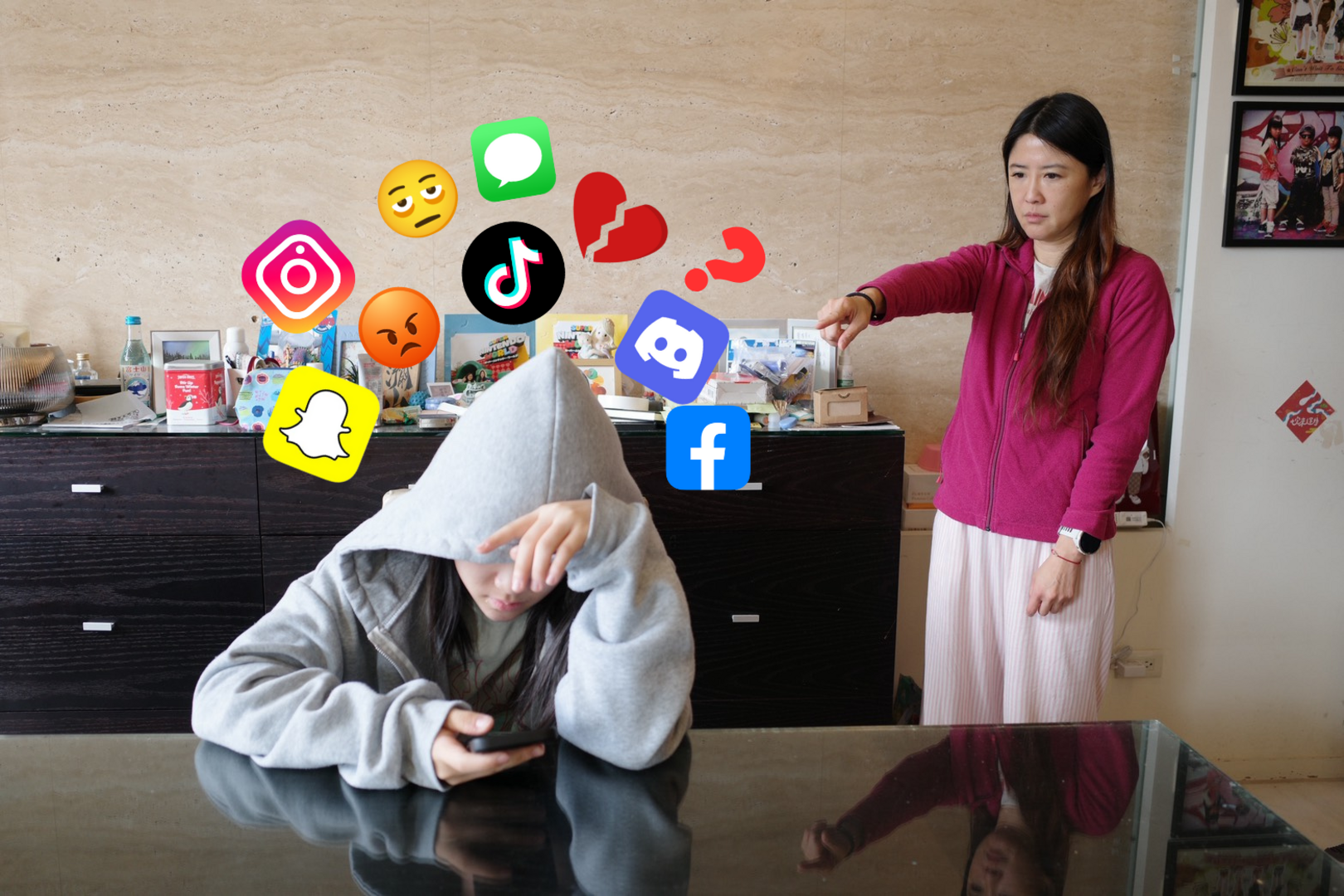
If you are a teenager like me, your parents have probably warned you about the catastrophic consequences of social media. My mom rants to me daily about how social media is ruining this generation and how all my bad habits stem from social media use. But is that true, or am I just an average teenager?

The plastic-surgery pervasive in South Korea has been a hot button issue
While using too much social media has some negative impacts on teens, with guidance and control, social media isn’t the villain parents and “experts” claim. In fact, when you use social media in moderation, these platforms can be a tool for self-expression, connection, and awareness.
How we can manage the “negative impacts” of social media
Saying that there are no negative effects of social media use would be dumb. However, assuming that there are no solutions at all and that social media is the source of all evil is also dumb.
Social media users too often experience stress, anxiety, cyberbullying, and detachment from reality. But only when they use it too much. This is why parental guidance and regulation are important. With caution and care, it is easy to effectively mitigate the harms of social media.
As an avid social media user, I know a thing or two about how to manage my “addiction”. The most direct way is to limit your screentime or app usage. This can be forcibly done through apps like Apple Screen Time or Brick, which directly block apps once you hit a time limit. But honestly, what works even better is teaching teens why too much social media is harmful and helping them understand when to stop. When teens actually understand the risks of too much social media, they’re much more likely to self-regulate their social media habits.
The importance of teaching appropriate use
To avoid potential harms of social media, such as getting scammed or encountering weirdos on the internet, you should always, always teach kids not to talk to strangers and verify important information. This can include, but is not limited to, knowing how to identify false news, finding reliable sources to trust, and practicing internet safety skills like not sharing personal information or clicking on unfamiliar links.
If kids don’t learn the rules of internet safety, there is a chance that they may stumble upon sketchy sites or apps like 4chan. And before you know it, they’re clicking on random links, believing fake “life hacks,” or talking to people they shouldn’t be talking to. A little guidance now can save kids from a whole world of unnecessary pain later.
Sometimes parents are to blame
Is social media some nefarious entity, or are some parents just bad at parenting? The moral panic around social media often comes from adults who want something easy to blame instead of taking responsibility themselves. Every time their children do something their parents deem as unfit, such as getting bad grades or having a messy room, lazy parents make social media the scapegoat, and they refuse to look any deeper.
For example, I often hear parents say things like, “Oh, your room is so messy because you’re always on social media,” or, “Your grades are bad because of that damn social media app!” Blaming social media is convenient for them and lets them sweep every problem under the “social media” rug instead of actually parenting.
Before your parents point their fingers at social media, maybe they should ask you why you have been feeling sad recently. Perhaps your room is messy because you’re just a teenager who doesn’t want to clean your room. Maybe your grades are dropping because you are experiencing too much pressure. But then all your parents do is yell at you for using too much social media.
On the podcast If Books Could Kill, in their episode, “The Anxious Generation” (which is the podcasters talking about the book of the same title), they point out that many people base their judgment of social media on correlation and incomplete information. Author, professor, and “expert” Jonathan Haidt claims that ever since social media became widespread among teenagers in 2016, mental health issues have skyrocketed. But Haidt ignores the fact that Obamacare was released that same year, making health care more accessible to teens, and social media most likely spread mental health awareness that encouraged teens to get the help they needed. But conveniently again, parents ignore these correlations and blame their children’s problems on “the screens”.
Many parents refuse to acknowledge the deeper, long-term factors that have contributed to rising mental-health issues. Instead, they ignore any explanation other than social media because blaming social media for everything is easier.
The time has come for us to call out lazy parents and have a real discussion about real problems without the moral panic and scapegoating that surrounds social media use. Next time you are struggling and your parents blame TikTok, point out that social media isn’t actually your problem.
The benefits of social media parents forget about
Parents may think that it is pointless to allow teenagers to use social media even if the risks are minimal. But social media also has real benefits, especially for teens.
1. Social media helps teens stay connected and find communities
Finding belonging and a community is essential for a teenager to feel supported, especially for those who might struggle to find support in real life. On social media platforms like TikTok, you can find thousands of fandoms for a variety of subjects, such as all kinds of anime or TV shows. Within these fandoms, you can connect with new people and share information you couldn’t share with your real-life peers.
Marginalized groups in society, such as people from the LGBTQ+ community or those with disabilities, can find inclusive and affirming spaces online that encourage them to be proud of who they are.
Plus, social media can help teens keep up with pop culture, trends, and slang, helping them joke around with their friends. If you think this is silly, you are underestimating the power of brainrot memes among teenagers. Recently, my whole class used Instagram to organize yelling the words “six seven”, a famous brainrot term online that recently became dictionary.com’s word of the year, to prank a teacher. When we yelled that word all together organized, it was the first time in years I felt my class to be so united.
2. Social media can actually teach you something
Shocker right? I’m sure some of you find it hard to believe that social media, something riddled with cringe memes, can be educational. However, if you have been using social media for a long time like me, you’ll realize it’s more educational than you think.
There aren’t many kids going on to news websites and reading articles these days. Instead, they get their news on social media. For example, on TikTok, there are many trustworthy news accounts such as The New York Times, BBC, or The Guardian. These accounts keep teenagers updated, helping them stay informed about events such as the Israel-Gaza war, the conflicts in Sudan, or just politics in general.
Social media is also a place where teenagers can learn more respectful views. Many young people adopt the rigid beliefs of their immediate peers or localities that may make them less accepting of people who are different than themselves. Online platforms challenge misogynistic or discriminatory beliefs by exposing teens to diverse communities, offering explanations that correct misinformation, and showing real stories that counter narrow worldviews. Learning different perspectives can also help teens adapt to society more effectively.
Take my classmate, Jaden, for example. The memories of us debating about basic women’s rights are still imprinted in my mind. Despite the fact that he wasn’t religious in any sort of way, he used to make misogynistic claims, like how women should stay in the kitchen because that is their “God-given role”. But after he downloaded TikTok and saw clips of people debating and correcting red-pill creators such as Andrew Tate or Sneako, he realized how wrong he was, and since then, he has gained a sharper ability to question his own prejudices.
–
Social media isn’t the monster most make it out to be. Yes, it can be harmful if it’s used without regulation or awareness, but so can anything. You can burn yourself out by studying too much, or even make yourself sick by drinking too much water.
But with self-control, social media can be beneficial. The impact of social media depends on how people use it. With guidance, balance, and open communication, social media can help teenagers stay entertained, connected, and educated.

0 Comments